
The Symbiosis of IoT and Cloud Computing: Architecture, Integration, and Scale
In the modern enterprise, the relationship between IoT devices and cloud platforms is no longer a luxury. It is a core requirement for any organization looking to scale. While sensors and edge devices act as the eyes and ears of a company, the cloud acts as the brain. This synergy allows businesses to turn raw IoT data into meaningful action.
As we move through 2026, the complexity of these systems is growing. Enterprises are no longer just connecting a few sensors. They are building vast networks that span the globe.
The role of cloud computing in this space is to provide the structure needed to manage these networks. Without the cloud, the massive amount of data collected by millions of devices would be impossible to use. The cloud offers the computing power and storage needed to make sense of the world. For a technical leader, the goal is to build an environment where data flows freely but safely.
This requires a deep understanding of how IoT and cloud computing work together to support long-term growth.
Understanding IoT Cloud Architecture
To build a reliable system, IoT cloud architecture needs to be understood. Most experts use a multi-layer model to describe how data moves from a physical device to a business user. This model often includes the perception layer, the transport layer, and the processing layer. Each layer plays a vital role in ensuring that the amounts of data generated by sensors are handled correctly.
 The perception layer is where the hardware sits. These are the sensors that collect real time data from the field. The transport layer then moves this data to the cloud. This is often where IoT cloud integration happens. In the cloud, the processing layer takes over. Here, the system uses its massive computing power to filter and clean the incoming streams. This architecture is what allows an organization to stay resilient. By separating these functions, one part of the system can be updated without breaking the others.
This is a key principle found in standards like the NIST Cloud Computing Reference Architecture.
The Role of Cloud Infrastructure in Data Ingestion
One of the biggest hurdles for any enterprise is the sheer volume of information. The data generated by IoT sensors can quickly overwhelm traditional IT systems. This is why cloud infrastructure is so important. A cloud-based system can scale its resources up or down based on the current load. This makes it a cost effective choice for businesses with fluctuating needs.
When enterprises deal with large amounts of data, the cloud provides a centralized place for storage and processing. Instead of having data silos in every branch office, everything is brought together. This centralization allows for better governance. It also makes it easier to apply role-based access control (RBAC). With RBAC, an enterprise can ensure that only the right people have access to sensitive information.
This is vital for maintaining security and meeting compliance rules in 2026. Organizations can look to the Cloud Security Alliance for best practices on securing these large-scale environments.
Integration Challenges: Normalization and Latency
Even with the best cloud platforms, integration is not always easy. One major issue is data normalization. Different devices often use different languages or protocols. To get real-time insights, the cloud must translate all this varied data into a single format. This process requires a strong IoT cloud technology stack that can handle diverse inputs without slowing down.
Latency is another critical concern. In some cases, sending all data to the cloud for processing takes too long. This is why we see a trend toward processing data closer to the source, often called edge computing. However, the cloud still remains the primary site for long-term storage and deep analysis.
The challenge for leaders is to decide which tasks stay at the edge and which go to a cloud service. Finding the right balance is the key to creating a system that is both fast and smart.
Powering Real-Time Analytics and Smart Cities
The ultimate goal of connecting devices is to drive better decisions. This is made possible through real-time analytics. By using the cloud to analyze IoT data as it arrives, firms can react to problems before they get worse. This is clearly seen in the rise of smart cities. In these environments, thousands of sensors track everything from traffic flow to air quality.
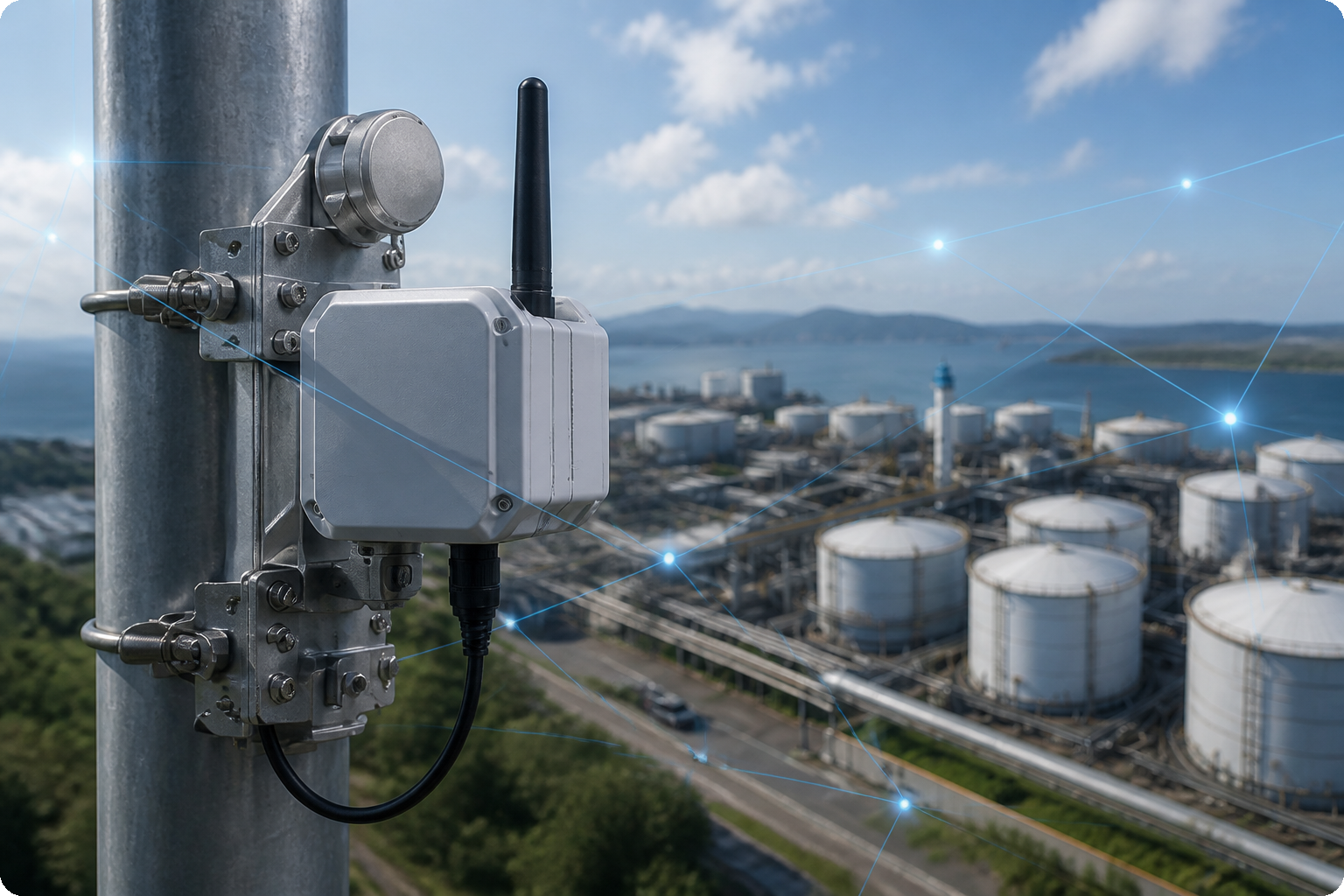 The cloud provides the backbone for these massive projects. It allows city leaders to see real-time insights across many different systems at once. Whether it is an oil rig or a fleet of trucks, the ability to see the “big picture” is what drives value. It allows for a more proactive approach to maintenance and safety.
Governance and Operational Visibility
As the scale of a deployment grows, so does the need for governance. Enterprises must be able to track every device and every data stream. This is where the cloud shines as a tool for operational visibility. A well-built cloud platform acts as a system of record. It provides an audit trail for every action taken within the network.
 This visibility is not just about security. It is also about performance. By monitoring the real-time data coming from a fleet, operations teams can find bottlenecks or failing hardware. They can see which devices are using too much power or which ones are losing their connection. This level of detail is only possible with the computing power of the cloud behind it. It gives leaders the confidence to make bold moves, knowing they have the facts to back them up.
Frequently Asked Questions About IoT and Cloud Computing
How does the cloud handle the massive amounts of data generated by IoT?
Cloud platforms use a process called elastic scaling. This means they can add more storage or computing power automatically when a device sends a massive amount of data. This ensures the system does not crash or slow down during peak times.
What is the role of role-based access control in IoT cloud integration?
Role-based access control is a security model that limits access based on a person’s job. In IoT, this is vital because it prevents unauthorized users from changing device settings or viewing sensitive IoT data. It helps keep the entire cloud infrastructure secure.
Why is data normalization a challenge for IoT and cloud computing?
IoT devices come from many different vendors and use many different protocols. When this data is brought into a cloud-based system, it must be cleaned and formatted so that it can be analyzed. This requires a strong middleware layer to ensure all data speaks the same language.
Can cloud computing support real-time analytics for fast-moving assets?
Yes, but it often works best when paired with edge processing. While the cloud provides the heavy computing power for deep trends, local systems can handle fast actions. The cloud then integrates these insights to provide real-time insights across the whole fleet.
Is cloud-based IoT storage cost effective for small enterprises?
Yes, because most cloud service models are “pay-as-you-go.” This means a small firm does not need to buy expensive servers upfront. They can start small and only pay for the storing processing they actually use as they grow.
Moving Toward Sustainable Integration
The journey to a fully integrated IoT environment is a path of constant learning. As we have seen, the cloud is more than just a place to store files. It is the engine that drives modern enterprise scale. By focusing on strong architecture and clear governance, technical leaders can build systems that do more than just “work.” They can build systems that thrive.
We believe that the best solutions come from a deep understanding of your unique challenges. If you are struggling with fragmented data or looking to improve your operational visibility, let’s talk. We value the chance to collaborate with leaders who are ready to move from pilot projects to sustained, governed growth.
Where Simetric Can Help
The gap between a connected device and a governed enterprise system is where Simetric operates. We provide the orchestration layer that sits above your cloud platforms and carriers. By acting as a single system of operational truth, we help you manage the full lifecycle of your devices.
We solve the issues of data normalization and visibility so you can focus on your business. If you are ready to bring structure to your IoT and cloud computing strategy, reach out to us today. Let’s build a more controlled and confident future together.