
Healthcare and Medical Devices
Govern connected medical devices, lifecycle workflows, and hybrid connectivity environments across clinical and operational settings with a unified enterprise control layer.

Powering Global Logistics and Supply Chain Operations
Healthcare IoT Solutions that Maximize Device Management Capabilities
Healthcare environments depend on connected devices to monitor patients, support diagnostics, manage treatments, and maintain clinical workflows. Simetric provides healthcare organizations with healthcare IoT solutions and medical device management capabilities through lifecycle governance, operational visibility, and a centralized control layer for managing connected medical infrastructure at scale.
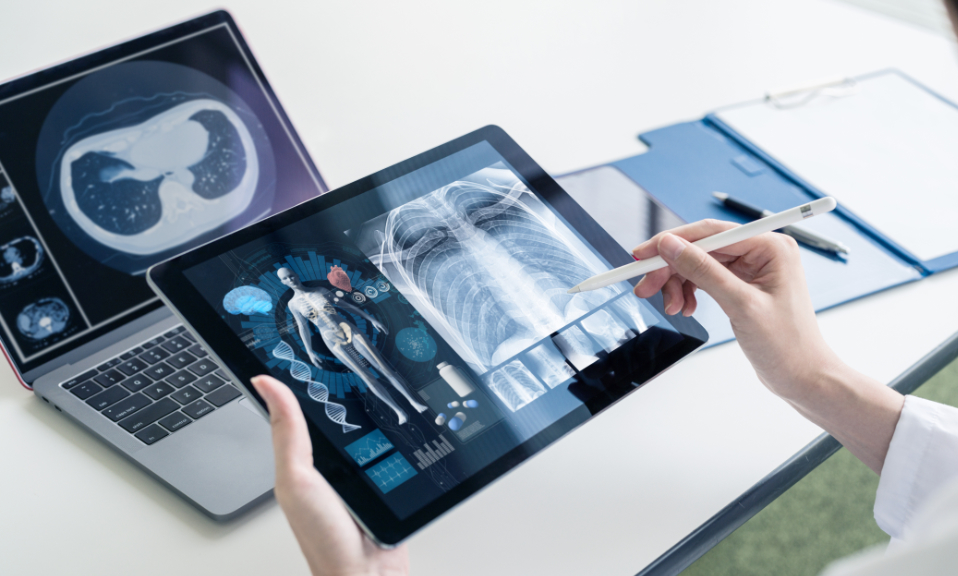
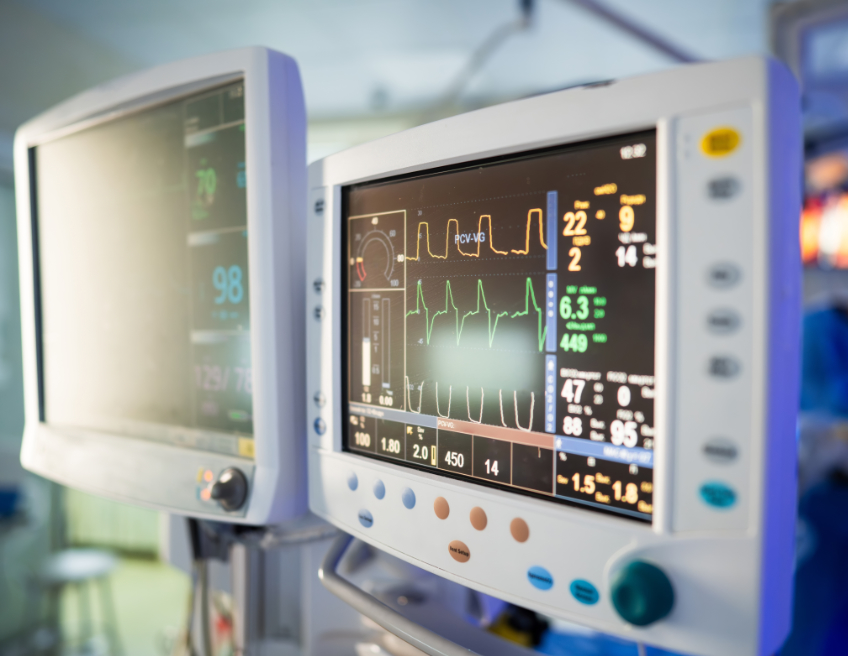
From bedside equipment and wearable monitors to mobile imaging units and remote care systems, these devices operate across hospitals, clinics, and distributed care environments.
The goal is not simply maintaining connectivity. The goal is supporting safe, continuous patient care. Connected devices must function reliably, securely, and consistently across changing environments. That requires more than isolated systems. It requires accurate device awareness, lifecycle governance, and a shared operational understanding across clinical and technical teams.
The Healthcare Device Connectivity Challenge
Healthcare organizations operate in highly regulated, high-stakes environments where consistency and clarity are essential. Connected medical devices span multiple facilities, departments, and care environments.
Some rely on hospital networks, others on cellular or remote connectivity. Different teams manage procurement, deployment, maintenance, and compliance. As environments grow, this often leads to:
- Uncertainty around device status and availability
- Changes made without shared operational awareness
- Variability in connectivity management across locations
- Gaps in historical records and audit trails
Many existing systems provide partial visibility but do not maintain a continuous, lifecycle-level understanding of connected devices. This fragmentation slows decision-making and increases operational uncertainty.
In clinical environments, delays or uncertainty can impact both workflows and patient outcomes.
Single Pane of Glass (SPoG) for Healthcare
Simetric provides a Single Pane of Glass (SPoG) that functions as an enterprise operational control plane for connected healthcare environments.
This is not a monitoring dashboard. It is a unified operational context that reconciles device identity, connectivity state, and lifecycle activity across systems, facilities, and providers. Simetric’s data foundation normalizes telemetry and lifecycle events across SIM and eSIM environments.
With this shared model, organizations gain a coherent view of device behavior and operational state. Data becomes usable across teams, enabling more informed coordination and reducing reliance on fragmented systems.
For healthcare organizations, SPoG enables

Continuous Asset Visibility

Unified Team Context

Clear Device Accountability

Fewer Blind Spots
Managing the Full Lifecycle of Medical Devices
Medical devices are long-term assets that move through multiple stages, including onboarding, deployment, maintenance, reassignment, and retirement.
Without structured lifecycle governance, these transitions can introduce risk. Devices may remain active beyond their intended use, policies may not be applied consistently, and historical records may be incomplete when needed for compliance or review.
Simetric enforces policy-driven lifecycle governance across the entire device lifecycle. Operational changes follow standardized workflows that preserve traceability, accountability, and audit readiness.
This allows healthcare organizations to scale connected device programs while maintaining consistency across facilities and teams. Governance becomes part of everyday operations rather than a reactive process.

Operating Across Mixed and Evolving Connectivity Environments
Healthcare systems operate across a combination of network types, including hospital infrastructure, cellular connectivity, remote monitoring systems, SIM, and eSIM-enabled devices.
Simetric functions above these environments as a centralized control layer utilizing comprehensive healthcare IoT solutions. It does not replace existing systems. Instead, it provides consistent governance and visibility across varied connectivity models.
eSIM capabilities support controlled changes in connectivity without requiring physical intervention. When managed through Simetric, these changes follow defined workflows that maintain operational integrity and compliance.
This flexibility supports evolving care models, including remote monitoring, mobile care units, and distributed healthcare delivery.

Strengthening Compliance and Operational Confidence
Simetric addresses these challenges by preserving lifecycle history alongside real-time operational visibility. Teams can understand not only current device status, but how conditions have changed over time. This supports:
- Faster and more informed responses to operational issues
- Clear ownership and accountability across departments
- Audit-ready records for regulatory compliance
- Reduced disruption caused by fragmented processes
By improving operational clarity, healthcare organizations can better support both compliance requirements and patient care delivery.


Healthcare Systems Designed for Scale
Healthcare delivery depends on reliable systems, coordinated teams, and consistent processes. As connected medical environments grow, maintaining that level of control becomes more complex.
Simetric provides an enterprise orchestration layer that enables healthcare organizations to manage connected devices with consistency, traceability, and confidence. Systems can scale without introducing operational gaps or reducing accountability.
As connected care models expand, governance becomes the foundation that supports safe, reliable, and scalable adoption.