
Single Pane of Glass (SPoG) Management
As connected device environments grow, enterprises often gain more tools, more data, and fewer decisions made with confidence

Powering Global Logistics and Supply Chain Operations
Why You Need a Single Pane of Glass Across Carriers and Systems
Teams manage devices in different ways. Information is duplicated, outdated, or incomplete. What should be a shared operational picture becomes fragmented across systems and organizations. Devices that exist beyond the traditional Enterprise edge become a ‘blind spot’ for IT/OT systems. Single pane of glass (SPoG) management exists to solve this problem.
Not by adding another dashboard, but by creating a unified operational control layer that aligns visibility, workflows, and accountability across the entire device lifecycle. Simetric provides this single pane of glass for enterprise IoT and connected device operations, which is why enterprises choose Simetric.
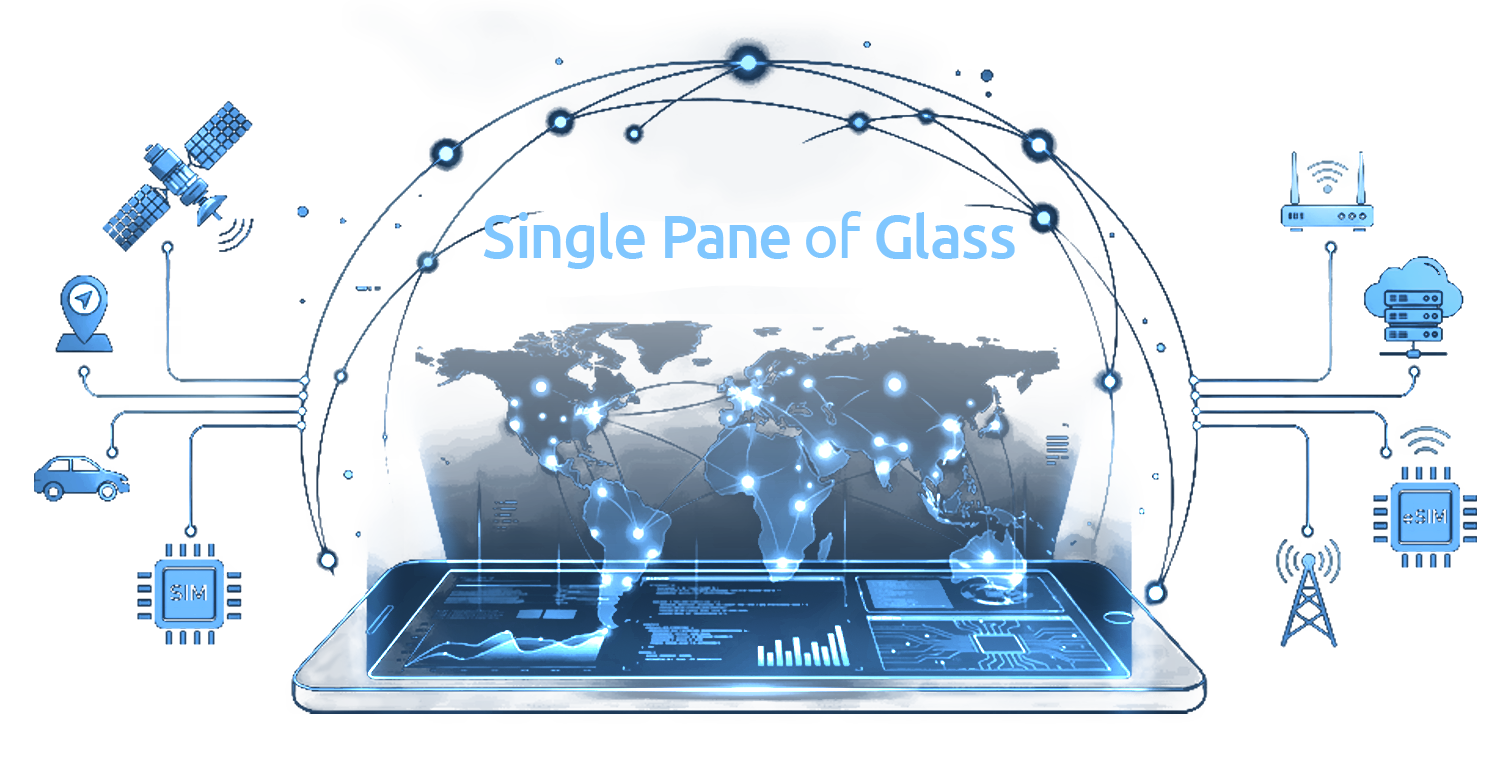

What Does “Single Pane of Glass” Mean in Practice?
In practice, a single pane of glass is not a screen, it is a shared operational context. For enterprises managing connected devices at scale, SPoG means:
- An authoritative, continuously reconciled view of devices across carriers, regions, and connectivity models
- Standardized workflows for onboarding, change, and retirement
- A common operating model used by IT, security, operations, finance, and support teams
- A consistent system of operational truth for lifecycle history–including connectivity, profile, ownership, and policy changes
Rather than stitching together information from multiple portals and management tools, teams work from one authoritative source that reflects how devices are actually deployed and managed.
Simetric delivers this pane of glass solution by operating as a control layer above networks, carriers, and platforms, unifying visibility and control without replacing existing providers.
Why Unified Visibility Is Critical for Enterprise IoT
Fragmented visibility creates risk long before it creates inefficiency. When device information is spread across carrier portals, spreadsheets, and internal systems, organizations struggle to answer basic questions.
Single Pane of Glass supports:

Continuous Asset Visibility
Which devices are deployed today, and where?

Unified Team
Context
Who owns them operationally and financially?

Complete Change History
What changes have occurred over time?

Fewer
Blind Spots
Which devices are still required (or should be retired)?

Clear Device Accountability
Which devices are active but unmanaged?
Without a centralized view, different teams operate from different assumptions. IT sees one picture. Operations sees another. Finance and support rely on incomplete or delayed information. This fragmented view can lead to decision latency, which can impact revenue assurance and/or customer SLA’s.
A single pane of glass creates a comprehensive view that allows teams to make decisions from the same data, reducing confusion and misalignment across the organization.
Related IoT & Edge Services
eSIM Orchestration
Complete profile management across carriers.
Explore eSIM ServicesMulti-Carrier IoT Management
Operational control above the carrier layer.
Explore Multi-Carrier ManagementIoT Analytics & Reporting
One accurate view of usage, cost, health, and alerts.
Explore Analytics & ReportingSPoG Is Not
“Just a Dashboard”
Many tools describe themselves as a “pane of glass dashboard,” but visibility alone does not solve enterprise complexity where most dashboards end at the Enterprise edge.
Dashboards show information. SPoG management governs how that information is created, updated, and acted upon. Simetric’s SPoG solution goes beyond reporting by:
- Enforcing standardized policy and lifecycle-validated workflows
- Preserving full device history for audit and governance
- Providing shared operational context across teams
- Supporting consistent decision-making at scale
This transforms SPoG from a passive view into an active management tool that supports long-term operational discipline.

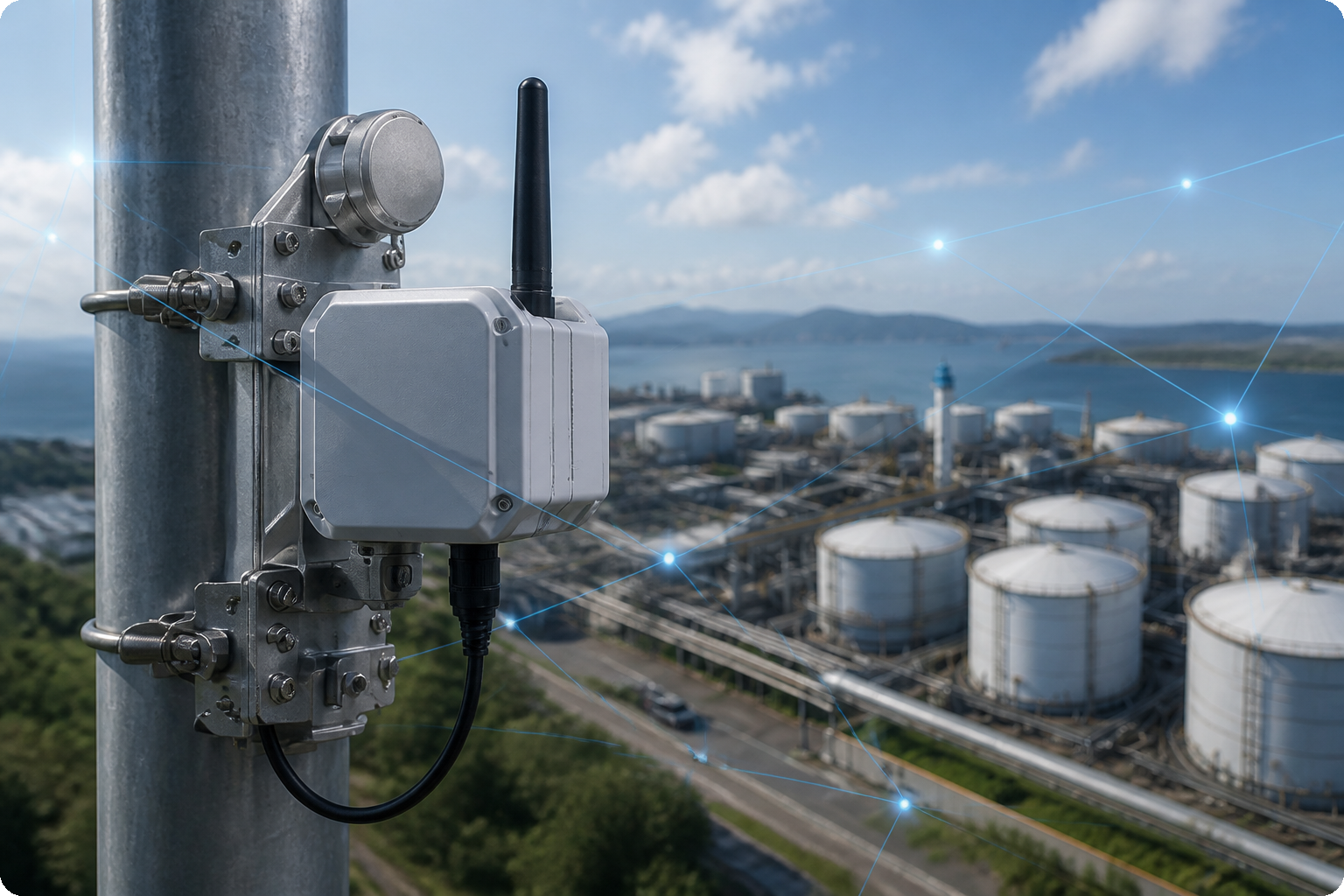
Reducing Operational Risk Through Shared Context
Operational risk often arrives at the boundaries between teams and systems. When IT, operations, security, and DevOps teams rely on different tools and terminology, coordination slows and errors increase.
Changes are made without full context. Devices remain active longer than intended. Ownership becomes unclear. Risks emerges by gaps between systems. By centralizing device management through a single pane of glass, Simetric helps organizations:
- Reduce reliance on individual expertise or tribal knowledge
- Ensure lifecycle changes are visible and traceable
- Improve coordination between technical and non-technical teams
- Support audit, compliance, and governance requirements without manual data reconciliation
The result is streamlined operations built on clarity rather than assumptions.
Supporting Complex, Global Environments
Enterprise IoT environments rarely look clean or consistent. Most organizations operate across multiple regions, business units, and generations of technology, each with its own carriers, connectivity models, and internal processes. What works for one team or geography often doesn’t translate neatly to another.
Over time, this creates a patchwork of SIM and eSIM deployments, cellular and satellite connectivity, and network management systems that were never designed to work together. Ownership can vary by region. Processes evolve independently. Visibility becomes fragmented, even when every individual system appears to be functioning as intended.
Simetric’s single pane of glass management software brings these environments together without forcing artificial standardization. Rather than requiring enterprises to consolidate carriers, replace tools, or align every region on the same model, Simetric provides a centralized operational view that spans existing systems. For teams weighing whether to build that layer internally, our build vs. buy breakdown walks through the tradeoffs.
A Control Layer That Aligns Teams, Not Just Systems
Single pane of glass management is as much about people as it is about technology. Simetric provides IT, operations, finance, security teams, and customer support with a consistent interface and shared understanding of device state, lifecycle, and responsibility.
By standardizing processes and terminology across the organization, Simetric reduces training time, improves handoffs, and supports faster, more confident decision-making. This alignment is what turns SPoG from a concept into an operational advantage.

Client Success in Action
Simetric gave us total visibility over 40,000 remote endpoint SIMs in 3 weeks.
VP of IT, Fortunte 500 Energy Utility
35% Reduction in Unused SIM Costs
90% Faster Anomaly Detection
FAQs About Single Pane of Glass (SPoG) Management
Is single pane of glass the same as a centralized dashboard?
No. A dashboard displays information. A single pane of glass provides unified visibility and standardized workflows, lifecycle context, and governance across systems and teams.
Does SPoG replace existing network or security tools?
No. Simetric operates above networks, carriers, and security tools to unify visibility and management without replacing existing infrastructure.
How does SPoG help reduce operational risk?
By providing a centralized view and consistent workflows, SPoG reduces blind spots, improves accountability, and ensures lifecycle changes are traceable and auditable.
Who typically uses a single pane of glass platform?
SPoG platforms support multiple stakeholders, including IT, operations, DevOps teams, security teams, finance, and customer support each working from the same operational context.
Is SPoG only relevant for very large IoT deployments?
SPoG becomes increasingly valuable as environments grow in scale, complexity, and organizational distribution. It is especially critical for long-lived, mission-critical deployments.