
API as a Service (APIaaS) for Distributed IoT Network Management
The Operational Gap Between Network APIs and Enterprise Adoption

Powering Governed API Access for Global Enterprises
What Is API as a Service (APIaaS) in Distributed Networking?
Network APIs promise openness, but operational reality remains fragmented. As the telecom industry moves toward initiatives like GSMA Open Gateway and the CAMARA framework, enterprises are learning that access to APIs alone does not create operational consistency. API as a Service (APIaaS) addresses this gap. Instead of treating an application programming interface API as a standalone technical connection, Simetric positions APIaaS as a governed operational interface aligned to lifecycle workflows, orchestration, and enterprise control. This governed approach to distributed networking is why enterprises choose Simetric.
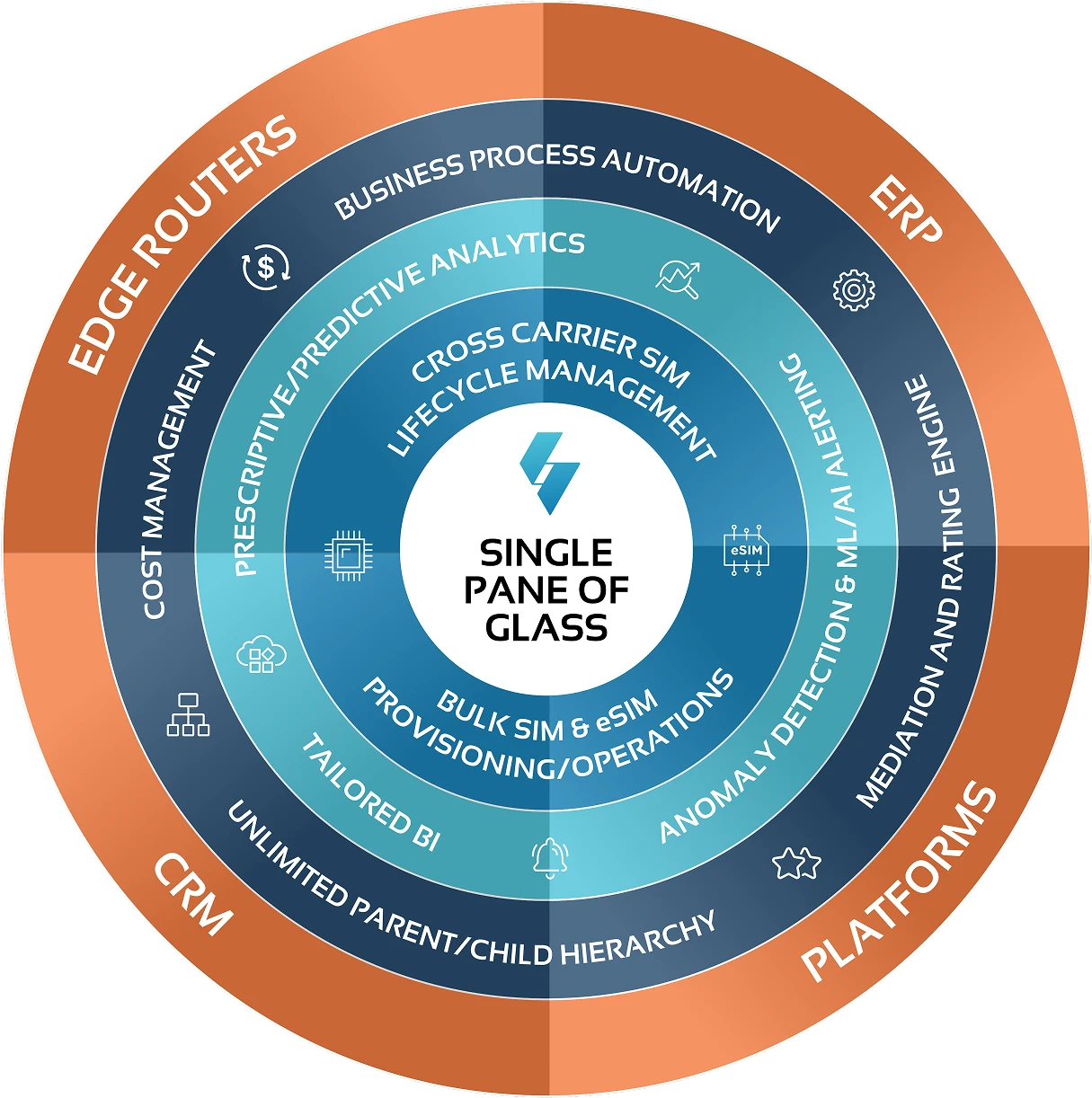
The real challenge is not exposing network capabilities. The challenge is governing how those capabilities integrate into IoT edge computing and distributed networking workflows at scale. This approach allows organizations to move from isolated integrations toward repeatable, adoption-ready operations. Simetric’s APIaaS allows you to aggregate complex carrier data into your existing systems, creating a true single pane of glass for all your connected devices.
Why APIaaS Matters for Enterprise IoT Connectivity
Integrating distributed networking environments is relatively easy at small scale. Sustaining those integrations as deployments grow across carriers, regions, and device fleets is much harder.
Many enterprises begin by implementing APIs directly from connectivity providers or by building custom web services. Early success often creates momentum, but over time, these integrations become fragile. Data models differ, lifecycle actions behave inconsistently, and automation initiatives stall because no shared operational interface exists.
What begins as flexibility becomes fragmentation.
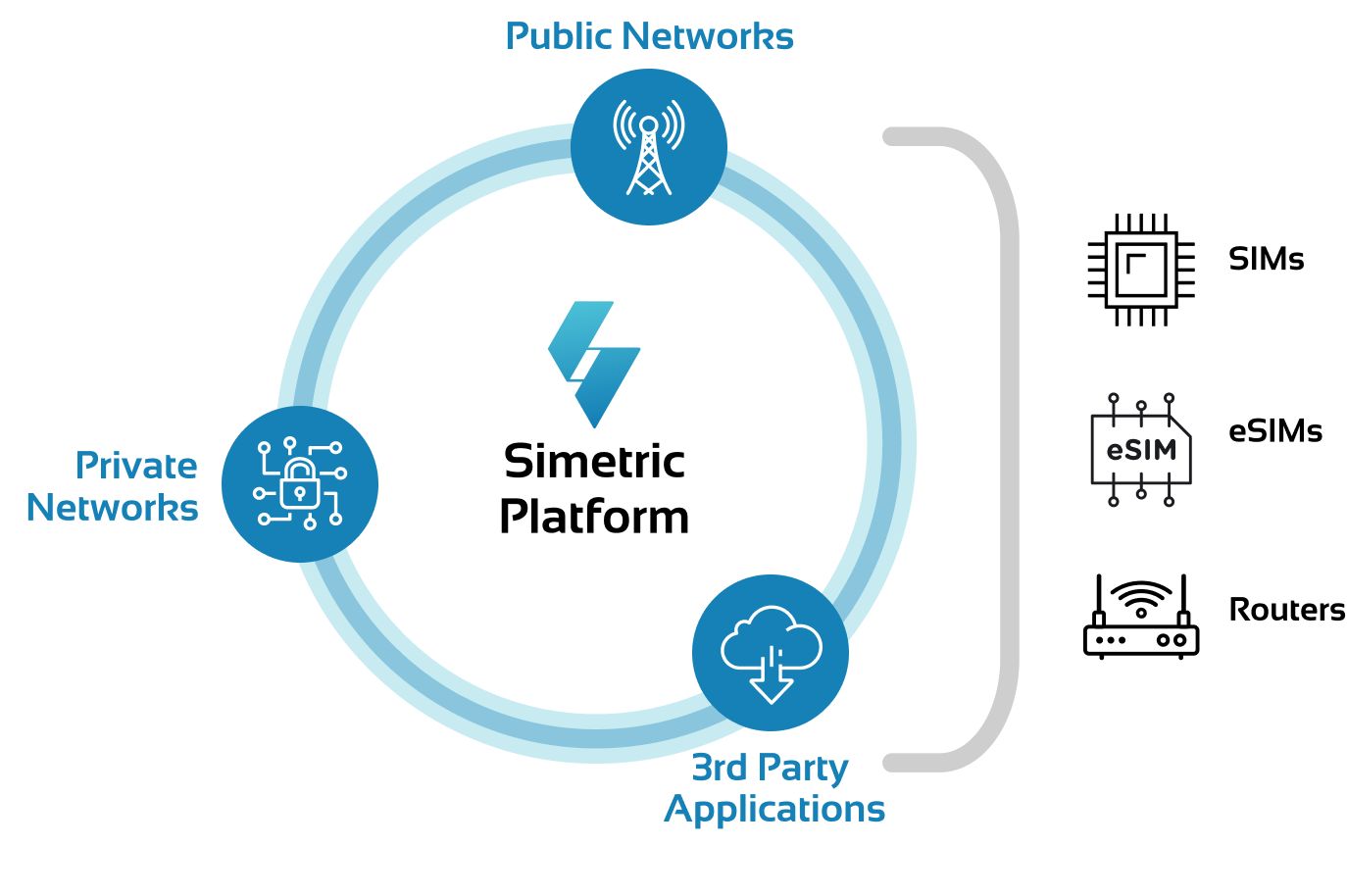
Simetric’s APIaaS introduces a governed integration layer that operates above carriers, orchestration workflows, and enterprise systems. Instead of forcing teams to constantly adapt to changing provider logic, APIaaS creates a normalized operational interface aligned to how organizations actually manage distributed infrastructure.
How APIaaS Normalizes Carrier APIs Across Distributed Networks
To define APIaaS in practical terms, it is the operational interface to the Simetric control plane. Instead of requiring teams to learn each provider’s architectural style or unique API design, Simetric normalizes core lifecycle actions.
Simetric normalizes:

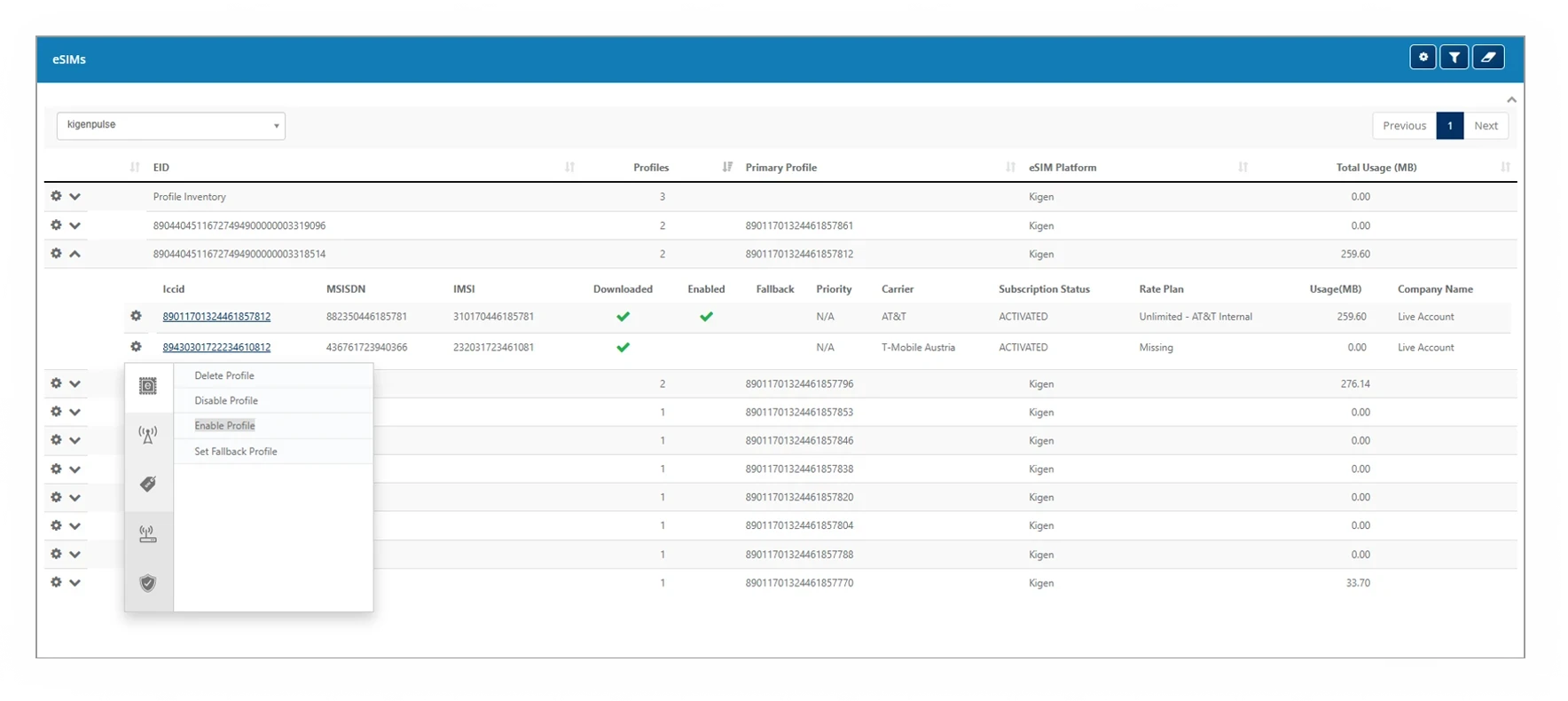
Provisioning
Bring new devices and connections online through a consistent workflow.

Suspension
Pause or restrict service without inconsistent manual steps.

Profile Swaps
Change carrier or plan profiles through a single governed action.

Policy Enforcement
Apply governance rules consistently across every integration.

Telemetry Retrieval
Pull device and network signals through one normalized interface.
These actions become consistent workflows that can be embedded into enterprise systems. This approach enables developers and operations teams to integrate lifecycle actions into ITSM platforms, analytics tools, and internal automation engines without constantly translating between provider-specific web APIs or implementing APIs repeatedly from scratch.
The result is a shift from portal-driven operations toward workflow-driven operations.
Related IoT & Edge Services
Connectivity Management Platform
Unified control across every carrier relationship.
Explore Connectivity ManagementSingle Pane of Glass (SPoG) Management
One unified view across devices and carriers.
Explore SPoG ManagementEdge Computing
Process and act on data closer to the source.
Explore Edge ComputingThe Industry Shift Toward Open Network APIs
The telecom ecosystem is moving toward standardized APIs and cloud-based developer frameworks. Industry initiatives such as GSMA Open Gateway and CAMARA aim to make network capabilities accessible through interoperable models that support application development.
This shift represents progress, but enterprises still face operational challenges:
- Operators expose APIs differently
- Security and compliance requirements vary
- Lifecycle workflows remain inconsistent
- Development time increases as integrations multiply
Open frameworks improve access, but they do not automatically solve operational governance.
Simetric’s APIaaS represents a real-world implementation of a uniform operational interface. Rather than focusing only on API exposure, APIaaS aligns integration with lifecycle governance, orchestration context, and enterprise automation. This creates a bridge between evolving industry standards and practical execution across distributed environments.
APIaaS in Practice: Enterprise Use Cases
Utility Deployment Scaling Across Regions. A utility expanding smart meter deployments integrates new carriers as coverage changes. Without a normalized interface, each new provider requires additional engineering effort. With APIaaS, lifecycle workflows remain consistent, enabling automated provisioning regardless of carrier differences.
Manufacturing Enterprise Enabling Automation. A global manufacturer deploys AI-driven monitoring workflows to track connectivity health across factories. APIaaS allows those workflows to trigger lifecycle actions automatically without engineering teams managing multiple API standards or translating provider logic.
Logistics Organization Strengthening Governance. A logistics provider embeds lifecycle actions directly into internal asset management systems. Activations, suspensions, and policy updates occur through enterprise workflows instead of manual portals, improving auditability and reducing operational friction.
What APIaaS Enables Operationally
APIaaS does not replace orchestration or lifecycle management. It connects them through a shared operational interface. Organizations can:
- Embed distributed networking actions into enterprise systems
- Standardize lifecycle governance across providers
- Enable automation aligned to policy and governance
- Maintain audit-ready workflows
- Extend the control plane into internal development environments
This is where API management becomes an operational discipline rather than a technical task. Teams are not simply managing APIs. They are governing how distributed infrastructure behaves across the enterprise. If you’re still deciding whether to build that governance layer yourself, see our build vs. buy breakdown.
API Management Lifecycle Governance and Security
Traditional API management often focuses on access control, authentication, and monitoring. These remain important, but distributed networking introduces additional complexity. Enterprises must manage APIs across:
- Multiple carriers
- Hybrid IoT connectivity management models
- Device lifecycle states
- Security and compliance requirements
APIaaS ensures these integrations operate within policy-validated workflows. Instead of treating APIs as isolated endpoints, Simetric aligns them with lifecycle governance, preserving operational consistency as deployments evolve.
This reduces development time and improves reliability because workflows remain stable even when underlying providers change.
Client Success in Action
Simetric gave us total visibility over 40,000 remote endpoint SIMs in 3 weeks.
VP of IT, Fortunte 500 Energy Utility
35% Reduction in Unused SIM Costs
90% Faster Anomaly Detection
Where APIaaS Fits in the Simetric Architecture
APIaaS represents the operational interface connecting orchestration, lifecycle management, and the Data Lake to enterprise systems. Within the Simetric architecture:
- Orchestration governs how connectivity changes occur
- Lifecycle management ensures visibility and policy alignment
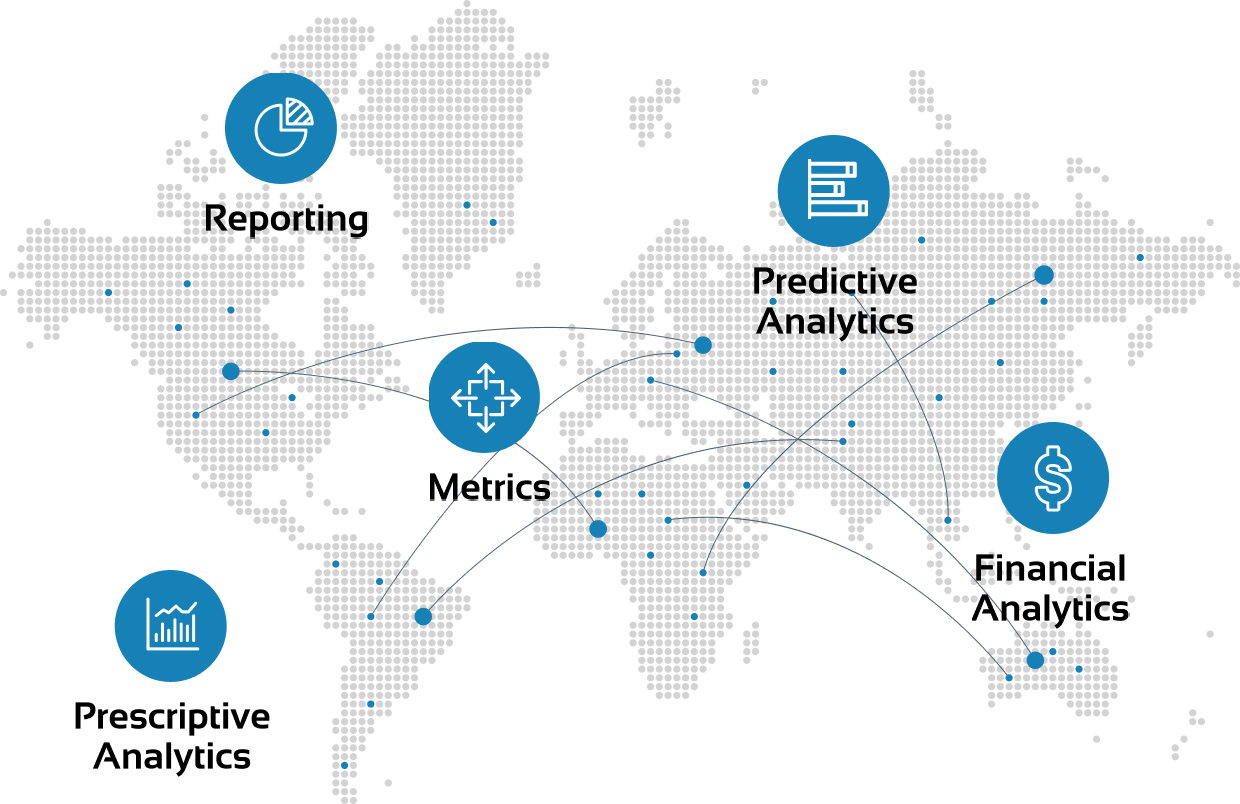
- The Data Lake preserves operational intelligence over time
- APIaaS exposes these capabilities through a normalized interface
This allows enterprises to extend distributed networking operations into their own environments without introducing fragmentation or breaking governance models.
APIaaS is not a standalone tool. It is the mechanism that allows enterprise systems to interact with the control plane as a Single Pane of Glass (SPoG) in a consistent, governed way.
API Design, Architectural Style, and Secure APIs
Modern APIs are typically built around representational state transfer and RESTful APIs, while some environments still rely on simple object access protocol models. Each architectural style offers advantages, but enterprise operations rarely benefit from managing multiple patterns directly.
Simetric’s APIaaS abstracts these differences by exposing a consistent interface that supports secure APIs and operational governance. From an API design perspective, the goal is not simply technical elegance. The goal is operational reliability. Secure APIs must support:
- Policy enforcement
- Auditability
- Lifecycle sequencing
- Cross-team coordination
By aligning API design with governance requirements, APIaaS ensures that integrations support long-term operational maturity rather than creating new silos.
FAQs About API as a Service (APIaaS)
Is APIaaS just an integration layer?
No. APIaaS is a governed operational interface aligned to lifecycle workflows rather than a simple integration utility.
How is APIaaS different from orchestration?
Orchestration governs how lifecycle changes occur. APIaaS exposes those workflows through a consistent operational interface.
Do enterprises still need carrier APIs?
Yes. Carrier APIs remain in place, but APIaaS abstracts their complexity into a normalized operational model.
Who uses APIaaS?
Operations teams, engineering teams, security leaders, and data teams use APIaaS to align automation with governance.
Does APIaaS replace enterprise automation platforms?
No. It strengthens automation by providing consistent operational context and lifecycle-aware workflows.