
IoT Edge Computing Platform and Device Management
Managing intelligence closer to where work happens

Powering Distributed Edge Operations for Global Enterprises
Operating Distributed Systems Across Edge Computing and the Cloud
As connected systems scale, many enterprises move computing closer to devices rather than relying solely on centralized cloud computing. This approach, commonly referred to as edge computing, is driven by practical operational needs. Simetric supports enterprises by providing governance, visibility, and control across edge-connected devices and systems.
Edge systems are part of a broader distributed networking environment – not isolated compute islands. Latency matters. Connectivity is not always reliable. Some decisions must be made locally, even when networks are constrained or unavailable.
Edge computing supports these requirements, but it also introduces new layers of operational complexity. Devices, applications, and connectivity must now function as part of a distributed system that spans the network edge and the cloud.
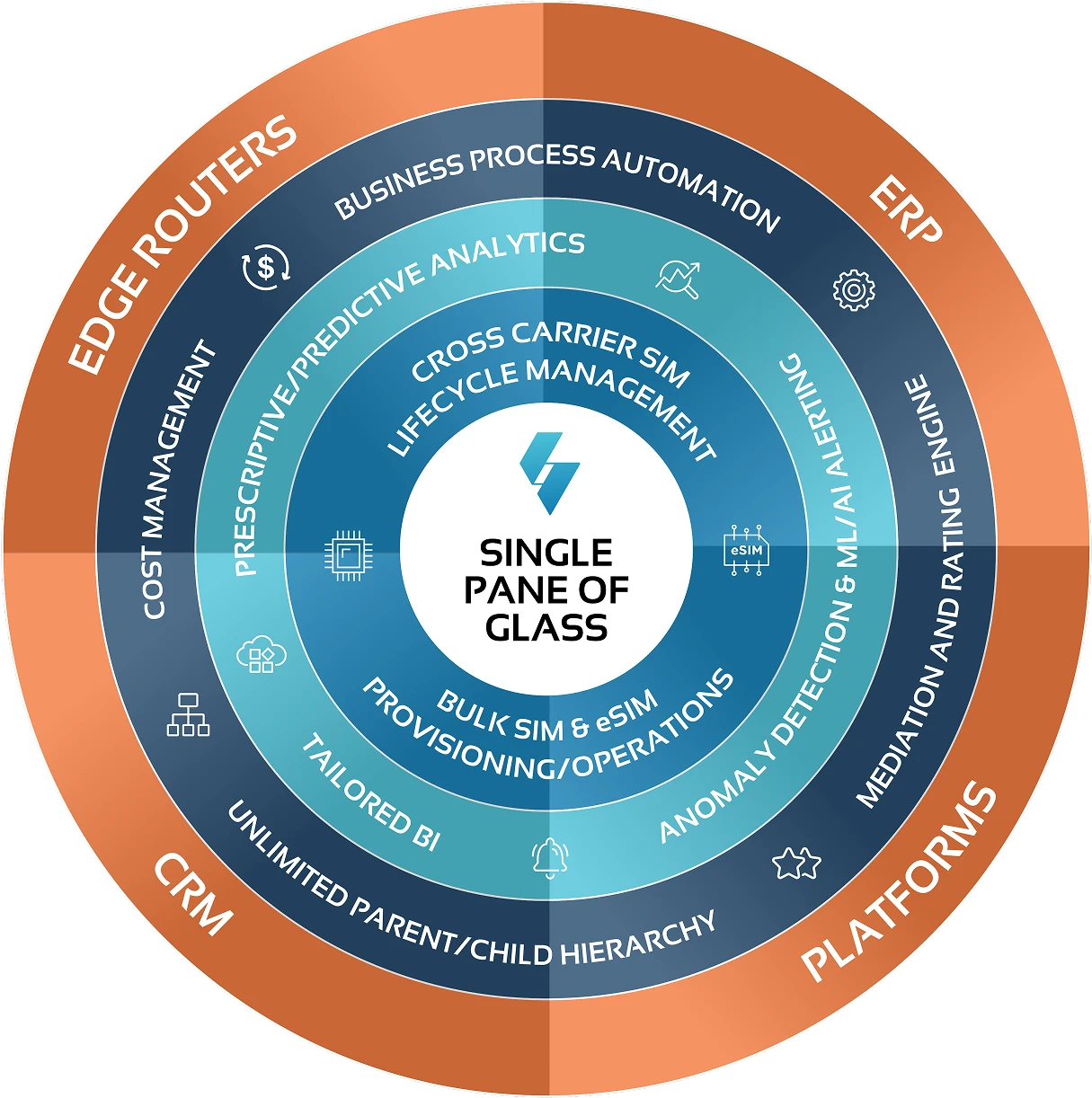
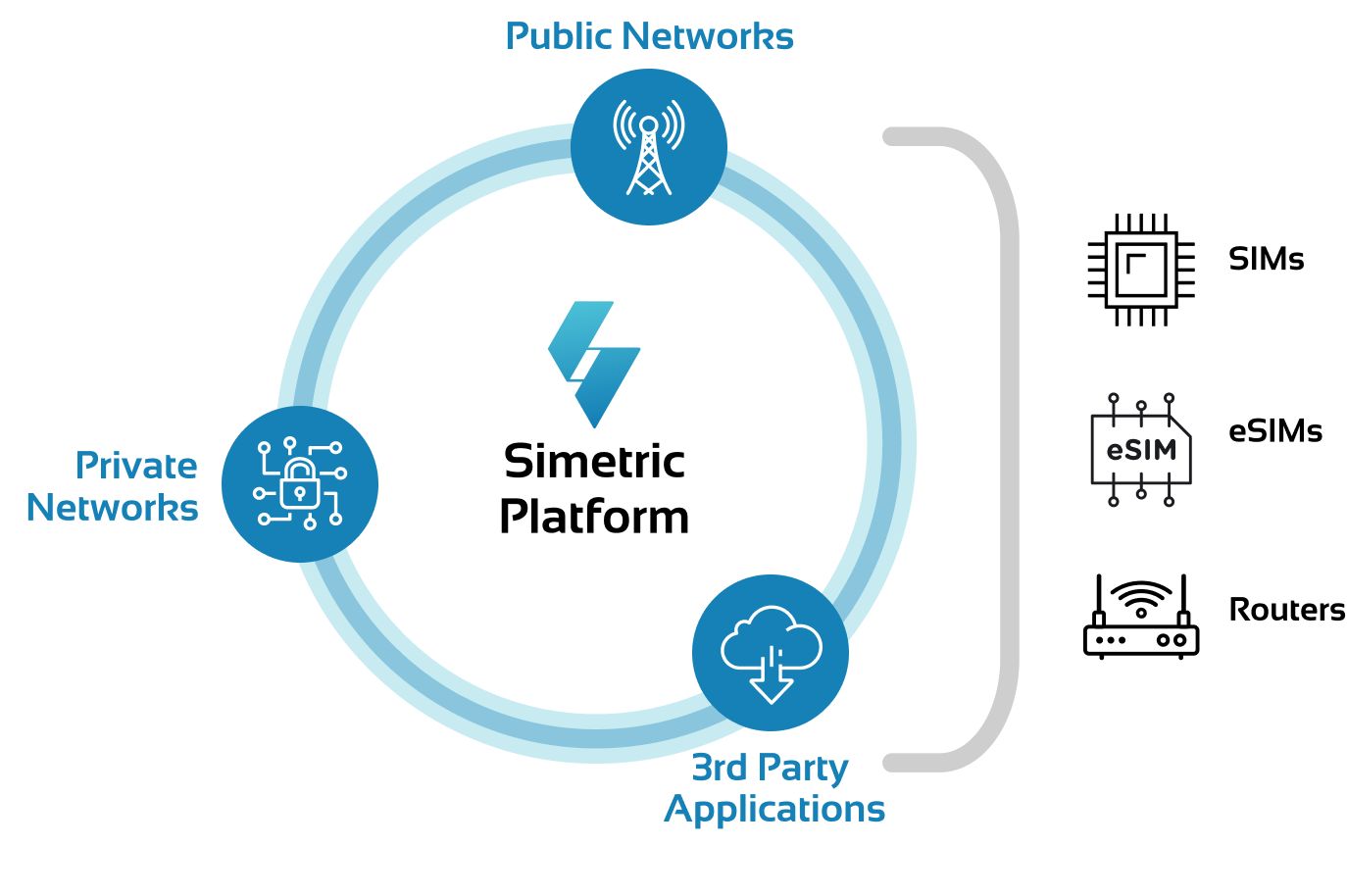
Simetric is the operational control plane above edge and connectivity, utilizing API as a service to bridge the gap between local execution and cloud governance. Simetric does not provide compute infrastructure. It enables enterprises to manage how edge environments integrate into broader operations.
Why Enterprises Deploy Edge Computing for IoT Workloads
Enterprises adopt edge computing to support real-world operational demands. Latency is a common driver. In industrial environments, such as IoT for manufacturing operations, utilities, fleets, and oil and gas operations, delays measured in seconds can impact safety, performance, or service continuity. Processing or generating data at the network edge allows faster or even real time responses without waiting for round-trip to the cloud.
Resilience is another factor. Edge systems allow operations to continue during connectivity disruptions. Devices can operate autonomously, collect data, and synchronize once connectivity is restored.
Edge computing also helps manage the volume of data being generated. Instead of transmitting everything, edge systems can filter, summarize, and prioritize information before sending it upstream.
What Is IoT Edge Computing and Why It Matters for Enterprise Operations
An edge infrastructure or computing platform refers to the systems used to process data closer to the devices that generate it. Instead of sending all data back to centralized cloud computing platforms, edge platforms allow analysis, decision-making, and response to occur near the source. Simetric does not provide edge platforms. It governs how edge-connected systems integrate into enterprise operations.
In enterprise environments, this often includes:

Local Processing
Devices performing local processing.

Data Aggregation
Gateways aggregating and filtering data.

Autonomous Operation
Systems operating autonomously when connectivity is limited.

Selective Synchronization
Selective synchronization with centralized systems.
The value of an edge infrastructure or platform is not the hardware itself, but the operational capability it enables.
Related IoT & Edge Services
API as a Service (APIaaS)
Every capability, as a clean API.
Explore APIaaSEnterprise IoT and Device Management Platform
End-to-end control across every connected device.
Explore Device ManagementData Lake
Turn distributed telemetry into operational intelligence.
Explore the Data LakeHow Edge Computing Changes Device and Connectivity Management
While edge computing improves operational capability, it complicates device management. Devices are no longer simple data producers. They become decision-making systems with local logic, dependencies, and connectivity requirements. Enterprises must manage not just whether a device is connected, but how it behaves when connectivity changes.
This introduces questions such as:
- Which devices operate autonomously and under what conditions
- How connectivity transitions are handled at the edge
- How systems synchronize after periods of isolation
- How changes are governed across distributed environments
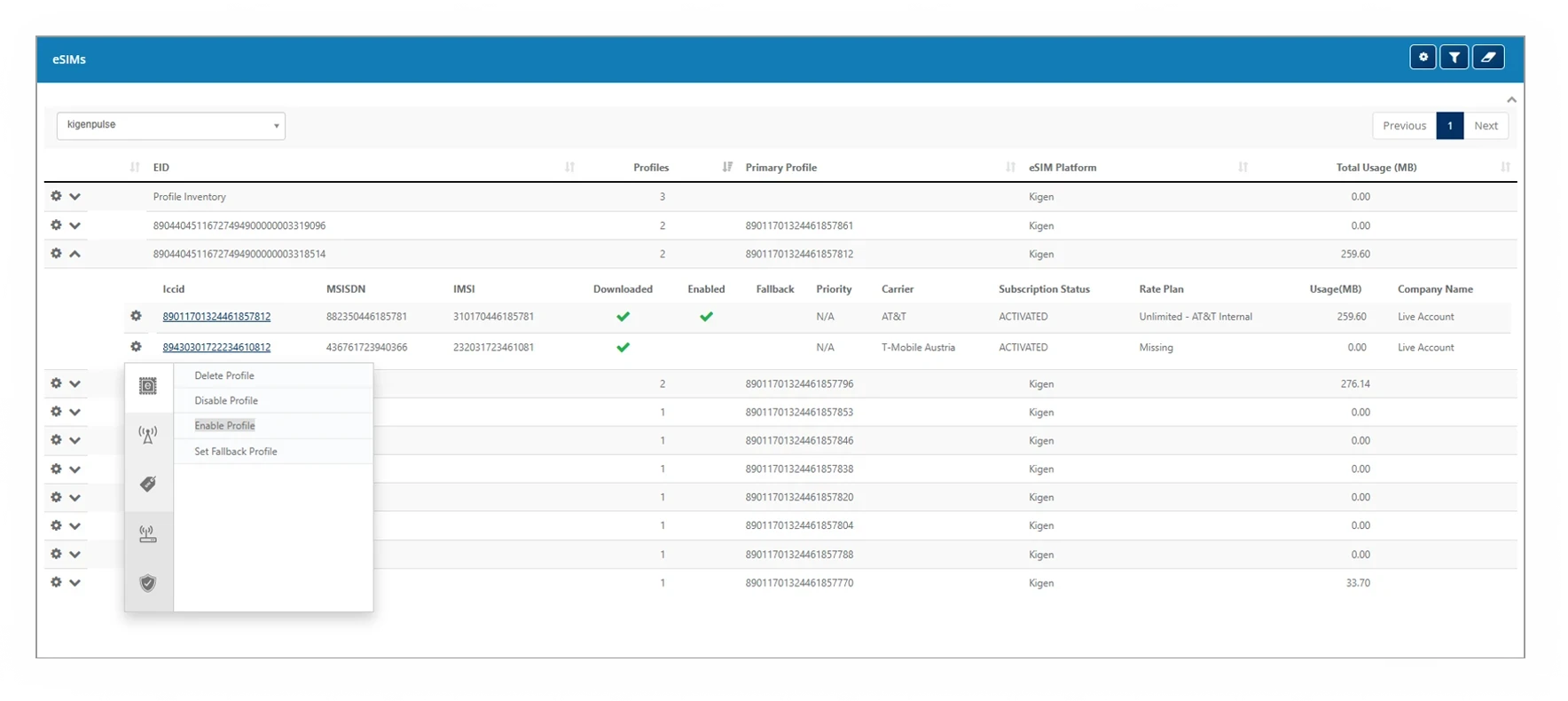
Simetric supports these environments by providing an enterprise IoT device management operational control plane across devices, connectivity types, and operational states, enabling lifecycle orchestration across distributed environments. It allows enterprises to maintain control without interfering with local execution.
Operational Challenges of Governing Edge-Connected IoT Systems
Edge computing introduces operational challenges that are often underestimated during early deployments. Visibility becomes fragmented as systems operate across locations and connectivity types. Governance becomes harder as devices make decisions locally. Ownership is often unclear across IT, operations, and engineering teams.
Security and compliance also become more complex. Edge-connected systems must align with enterprise policies even when operating outside centralized infrastructure.
Without a unifying control layer, enterprises risk creating isolated edge environments that are difficult to monitor, audit, or evolve.
How Simetric Governs IoT Edge Computing at Scale
Effective governance is what allows edge computing to scale beyond isolated use cases. Enterprises need the ability to:
- Track edge-connected devices as managed assets
- Understand how connectivity supports edge operations
- Maintain auditability across distributed environments
- Align edge systems with enterprise workflows and controls
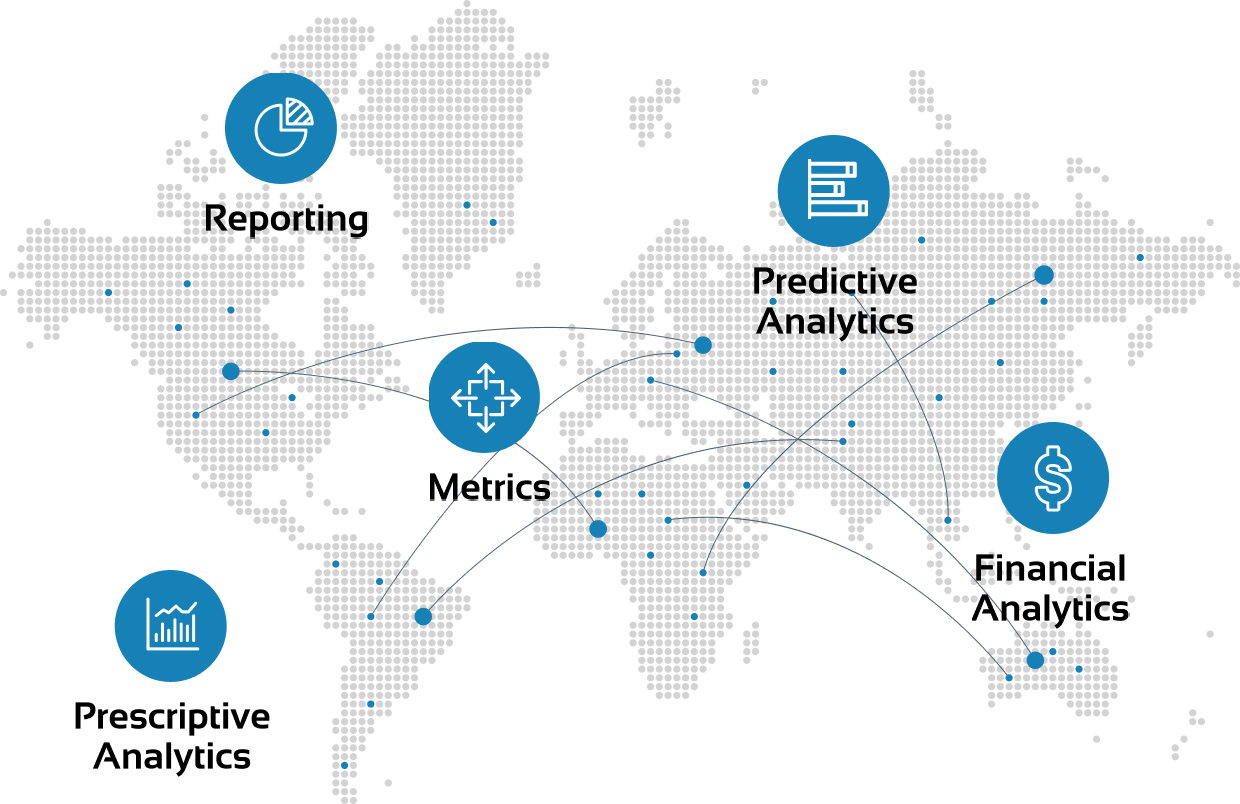
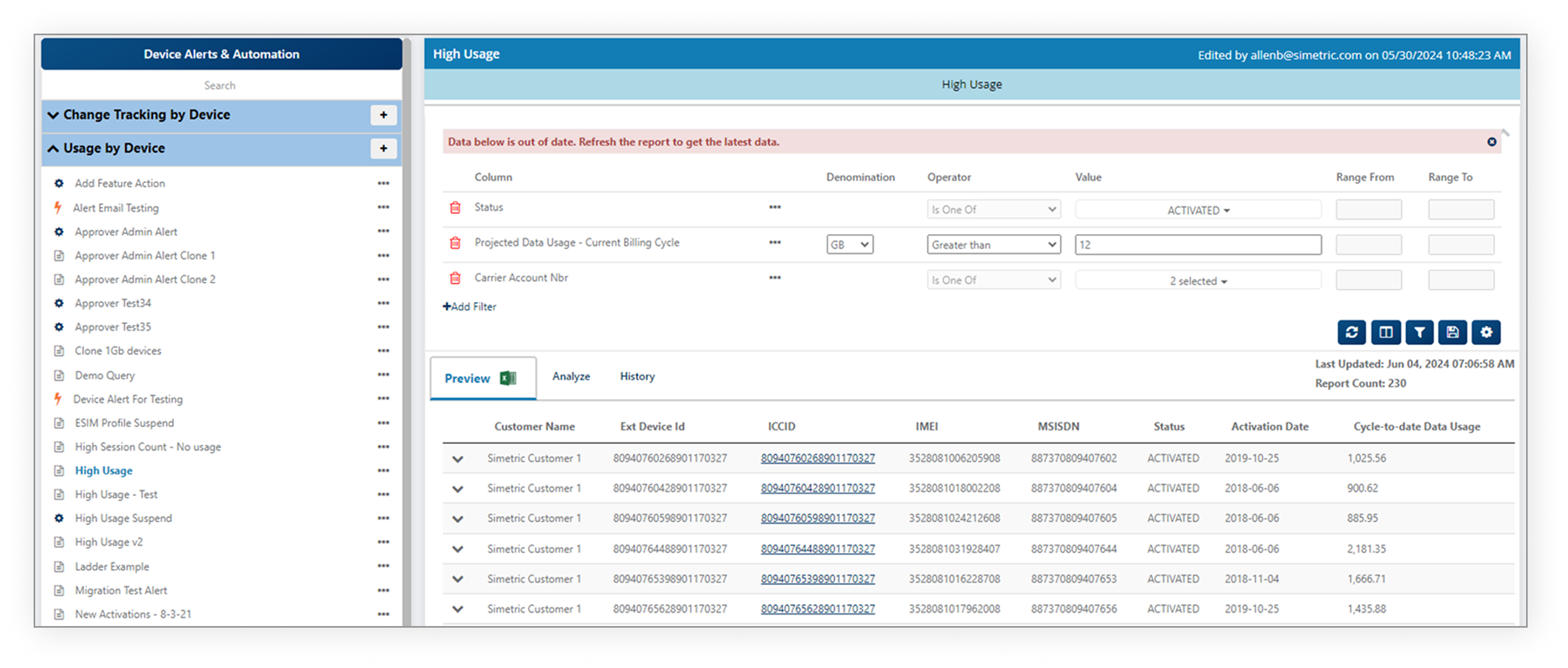
Simetric acts as an authoritative operational control plane that connects edge environments back into enterprise operations. It provides unified visibility across devices, connectivity, and operational context, feeding critical telemetry into an IoT data lake for advanced business intelligence, ensuring that edge deployments remain governed rather than siloed.
Integrating Edge Computing Into Enterprise IT and Operational Workflows
Edge computing should extend enterprise capability, not fragment it. Edge computing extends distributed networking environments – Simetric ensures they remain governed and visible. Simetric enables integration by ensuring that edge-connected systems remain part of a consistent operational model. IT teams gain visibility and governance. Operations teams gain reliability and autonomy. Security teams gain traceability and oversight.
By operating above connectivity providers and infrastructure layers, Simetric allows enterprises to manage edge environments without becoming dependent on specific edge platforms or compute vendors.
Client Success in Action
Simetric gave us total visibility over 40,000 remote endpoint SIMs in 3 weeks.
VP of IT, Fortunte 500 Energy Utility
35% Reduction in Unused SIM Costs
90% Faster Anomaly Detection
FAQs About IoT Edge Computing
What is an edge computing platform?
An edge computing platform supports processing and decision-making closer to connected devices rather than relying solely on centralized cloud computing.
Why do enterprises use edge computing?
Enterprises use edge computing to reduce latency, improve resilience, and support autonomous operation in environments where connectivity may be limited or unreliable.
How does edge computing impact connectivity management?
Edge computing requires managing connectivity as a dynamic operational dependency, including handling disruptions, transitions, and synchronization across environments.
How does Simetric help govern edge deployments?
Simetric provides centralized visibility, policy alignment, and auditability across edge-connected devices, ensuring they remain part of a governed enterprise system.