
Enterprise eSIM Management Platform
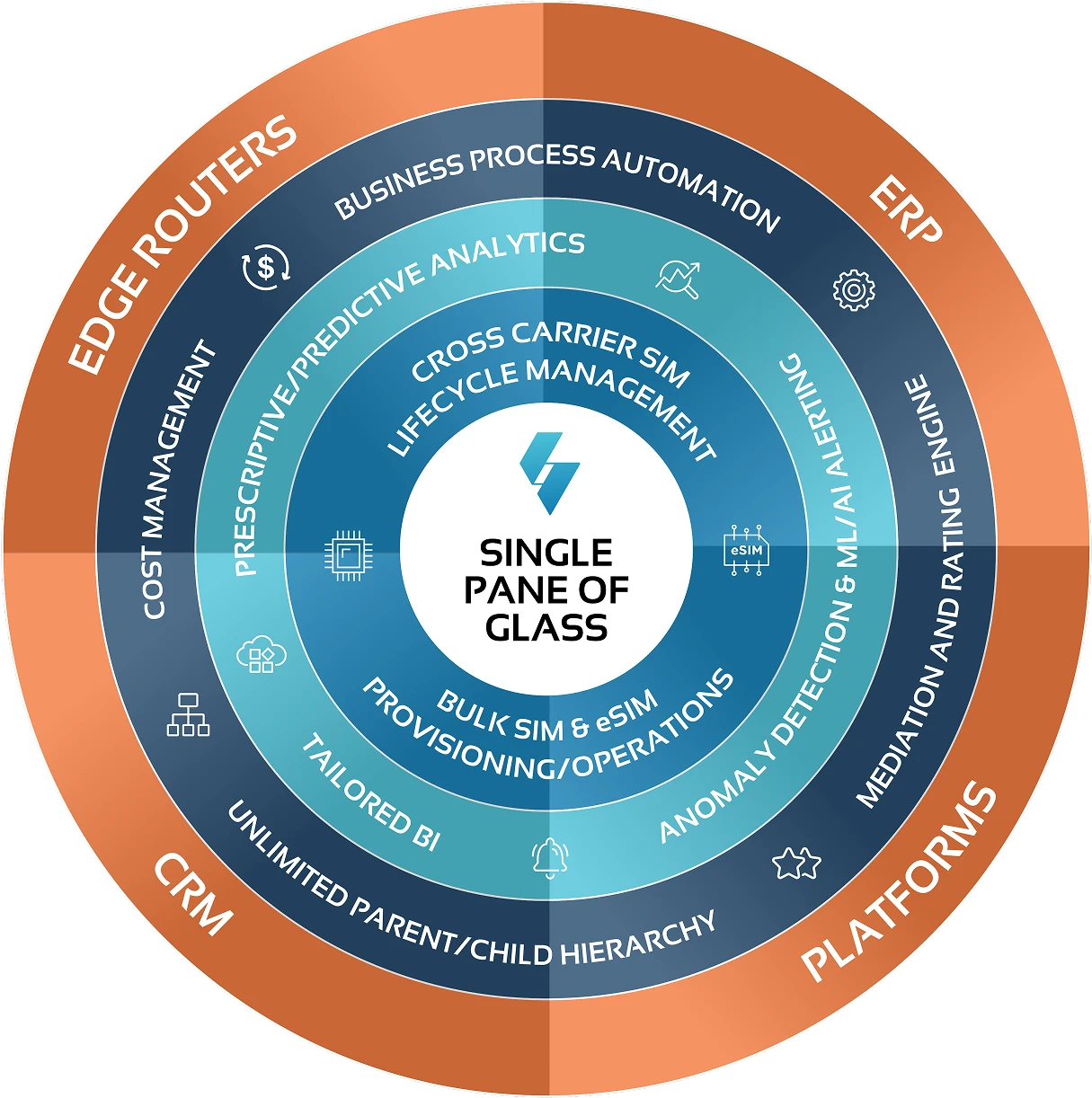
Managing the Full Lifecycle of eSIM Deployments
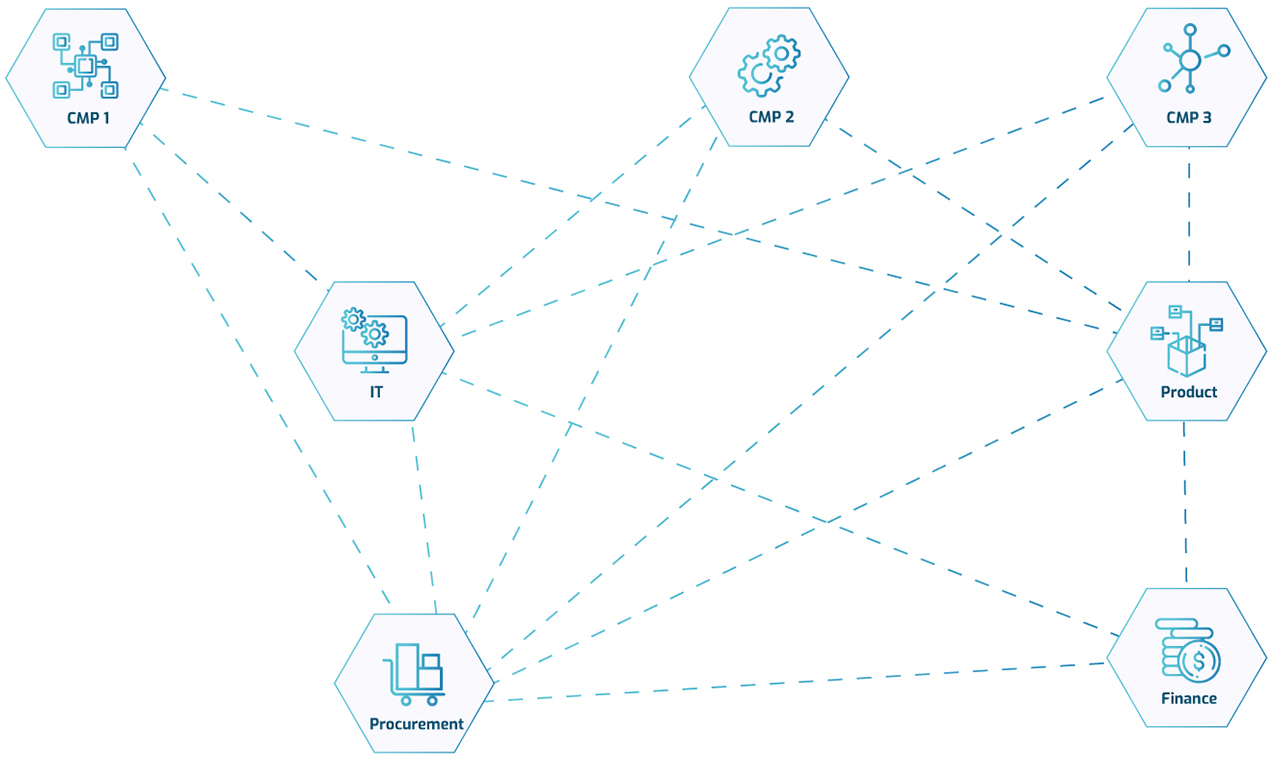
eSIM pilots are relatively easy to launch. Long-term operations are not. Simetric provides an enterprise control plane for governed eSIM lifecycle operations to address this phase of maturity. Once eSIM deployments move into production across regions, business units, and device fleets, enterprises quickly encounter a new set of challenges. Visibility fragments across carriers. Ownership becomes unclear. Reporting varies by platform. Changes are tracked inconsistently.
Over time, this creates operational risk, audit gaps, and reliance on tribal knowledge to keep deployments running. It provides the structure, governance, and ongoing orchestration control required to operate eSIM-enabled assets reliably at scale.
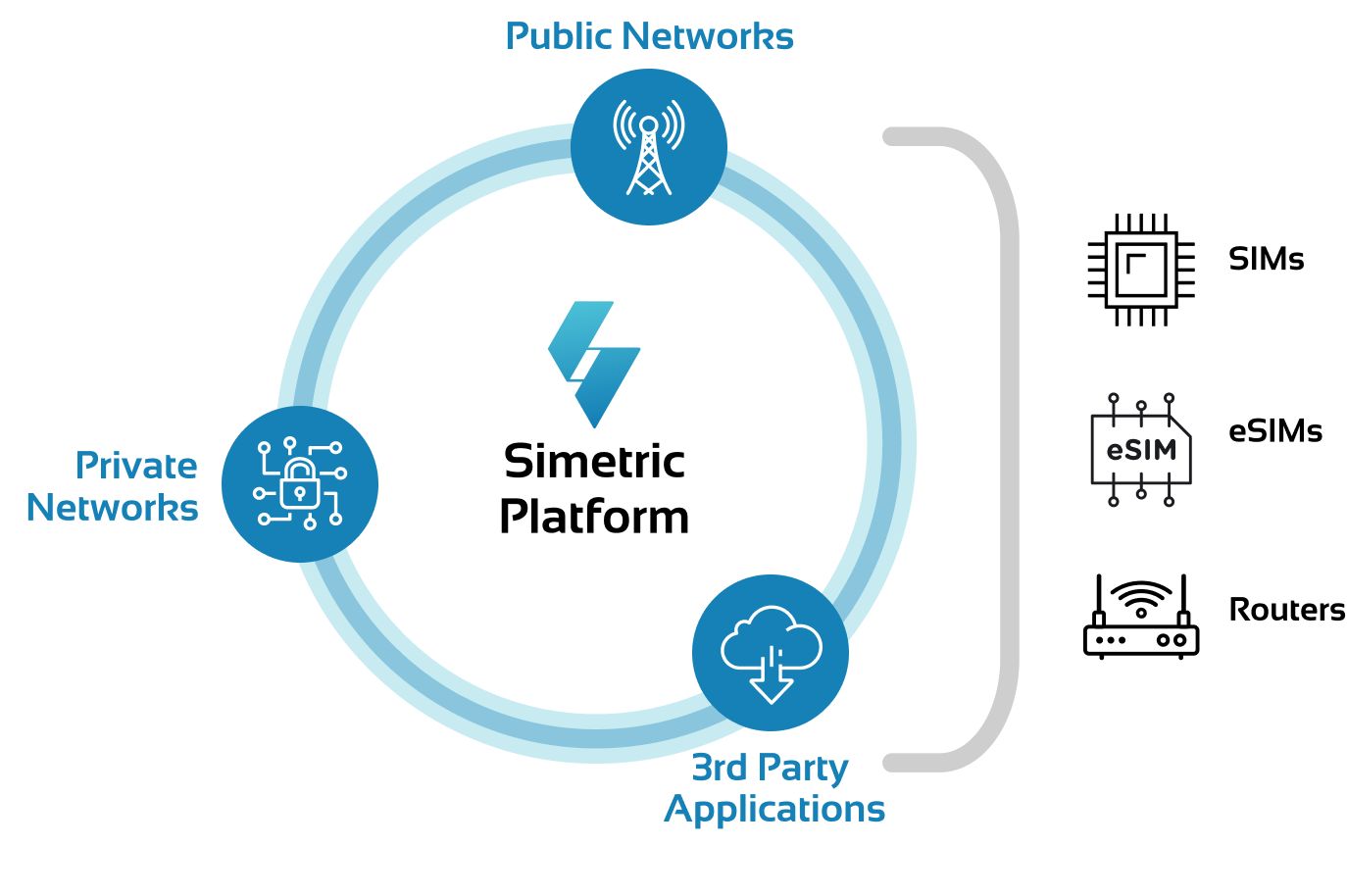
Simetric provides an IoT connectivity management platform that acts as a centralized system of record for eSIM-enabled devices across carriers, regions, and organizational boundaries. It functions as the operational layer above eIM platforms and carrier systems, ensuring stability, accountability, and consistency over time.
What is an enterprise eSIM management platform?
An enterprise eSIM management platform is the lifecycle governance layer used to monitor, govern, and control eSIM subscriptions throughout their lifecycle.
Simetric complements eSIM orchestration by enforcing governance after activation. This includes tracking eSIM profile status, monitoring usage, enforcing policies, and ensuring that connectivity aligns with enterprise requirements long after devices are deployed.
In practice, an eSIM management platform provides:
- Persistent visibility into eSIM profiles and devices
- Centralized reporting across providers and geographies
- Governance controls tied to roles, teams, and business units
- A reliable source of truth for operational, financial, and compliance teams
Managing the Full eSIM Lifecycle at Enterprise Scale
As deployments grow, enterprises must manage thousands or millions of eSIM profiles across multiple carriers and platforms. Without a centralized management layer, teams rely on spreadsheets, disconnected dashboards, or manual reconciliation.
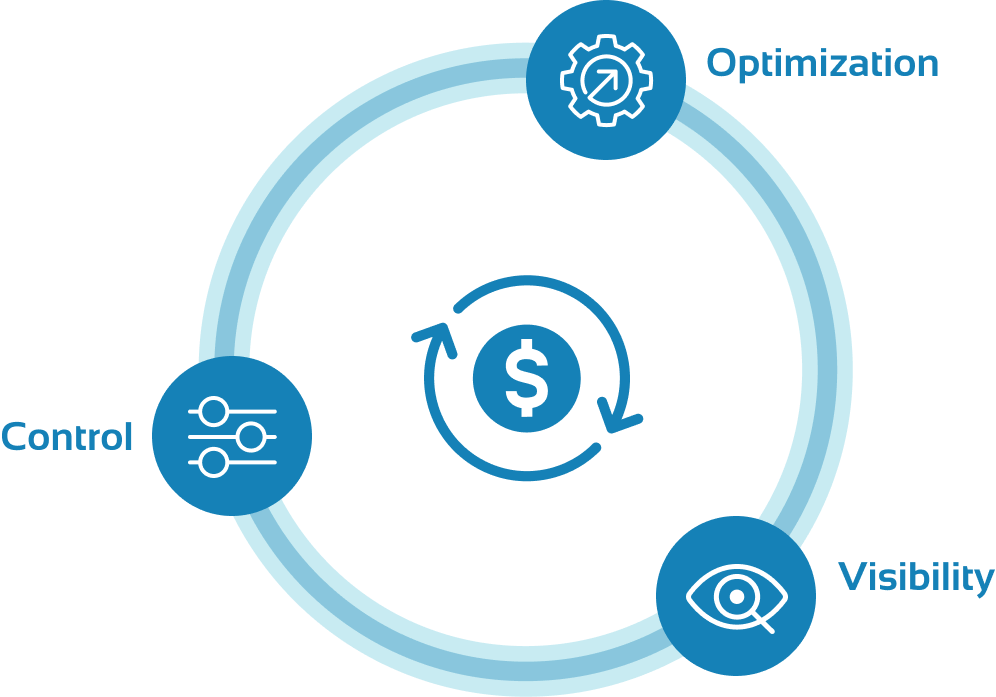
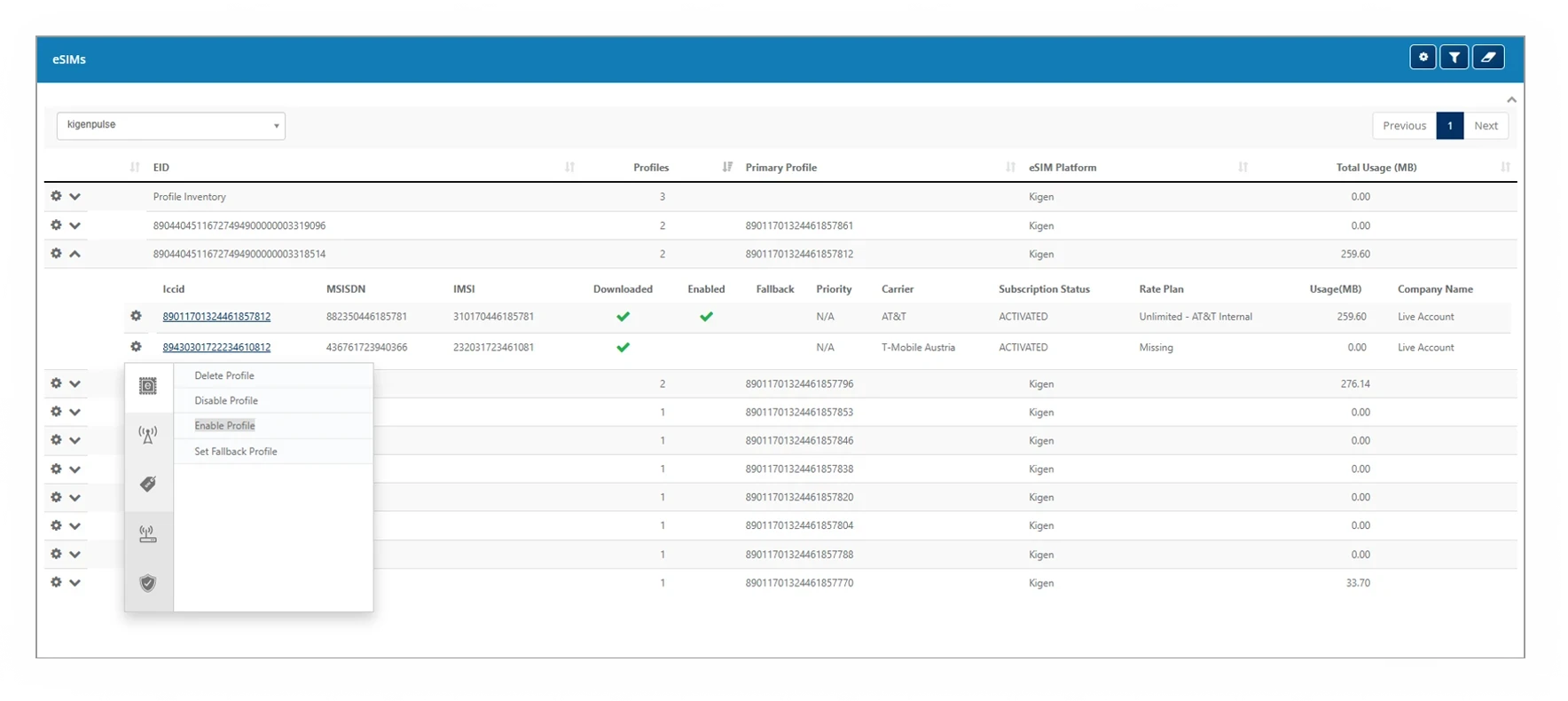
Simetric enables enterprises to manage eSIM subscriptions at scale by consolidating data from across the ecosystem into a single control plane. From a shared operational context, teams can:
- Track which eSIM profiles are active, suspended, or retired
- Associate eSIMs with devices, assets, and operational context
- Understand carrier relationships and subscription ownership
- Maintain continuity as providers or internal teams change
This centralized approach allows enterprises to operate eSIM environments as governed systems rather than fragmented vendor tools.
Governance and controls required for mature eSIM deployments
Governance becomes essential once eSIM connectivity supports critical operations. An enterprise eSIM management platform must support:
- Role-based access controls to prevent unauthorized changes
- Approval workflows aligned with IT and operations processes
- Clear ownership models across teams and regions
- Audit logs that record actions, status changes, and decisions
Simetric ensures that eSIM management actions are intentional, traceable, and aligned with enterprise policies. This reduces the risk of misconfigurations, duplicate subscriptions, or unmanaged connectivity that can lead to outages or compliance issues. Furthermore, this approach provides the electronic boundary and OT-style governance required for utilities and regulated industries, effectively aligning eSIM lifecycle governance with enterprise security models.
Monitoring eSIM usage, status, and performance in real-time
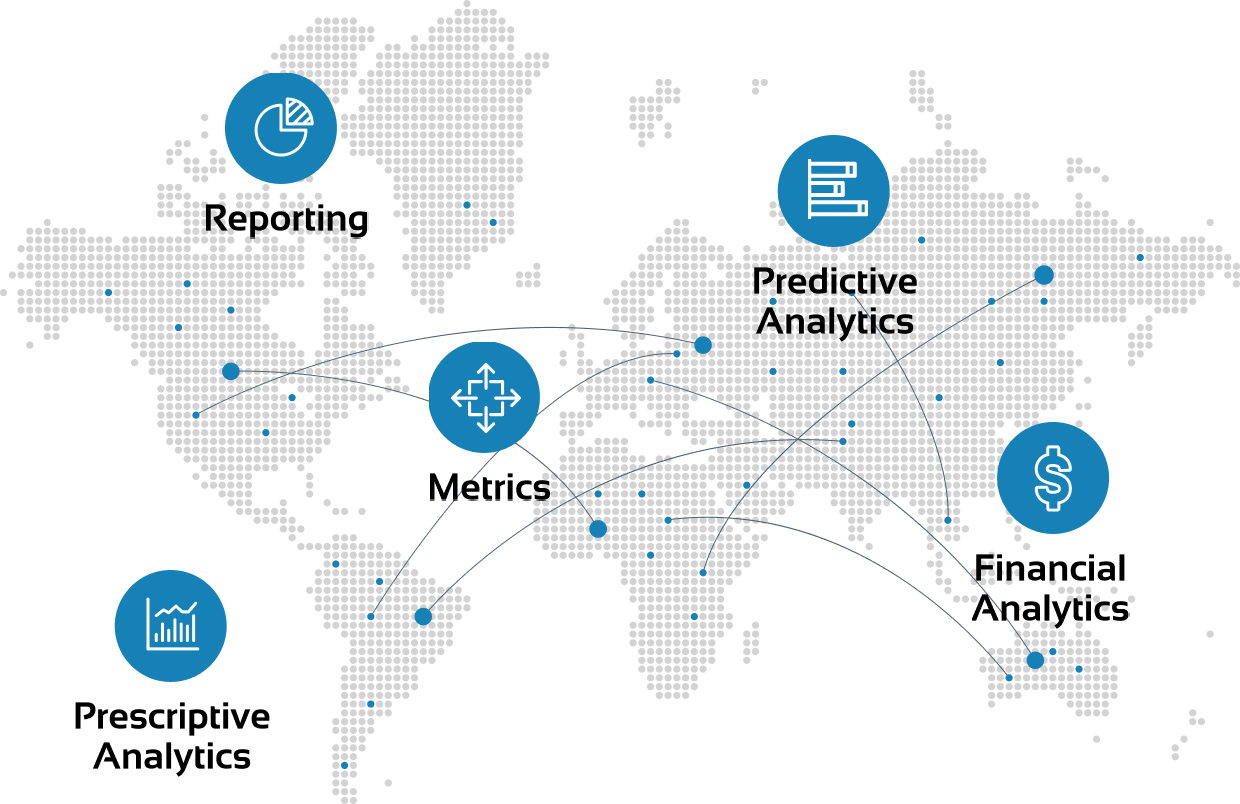
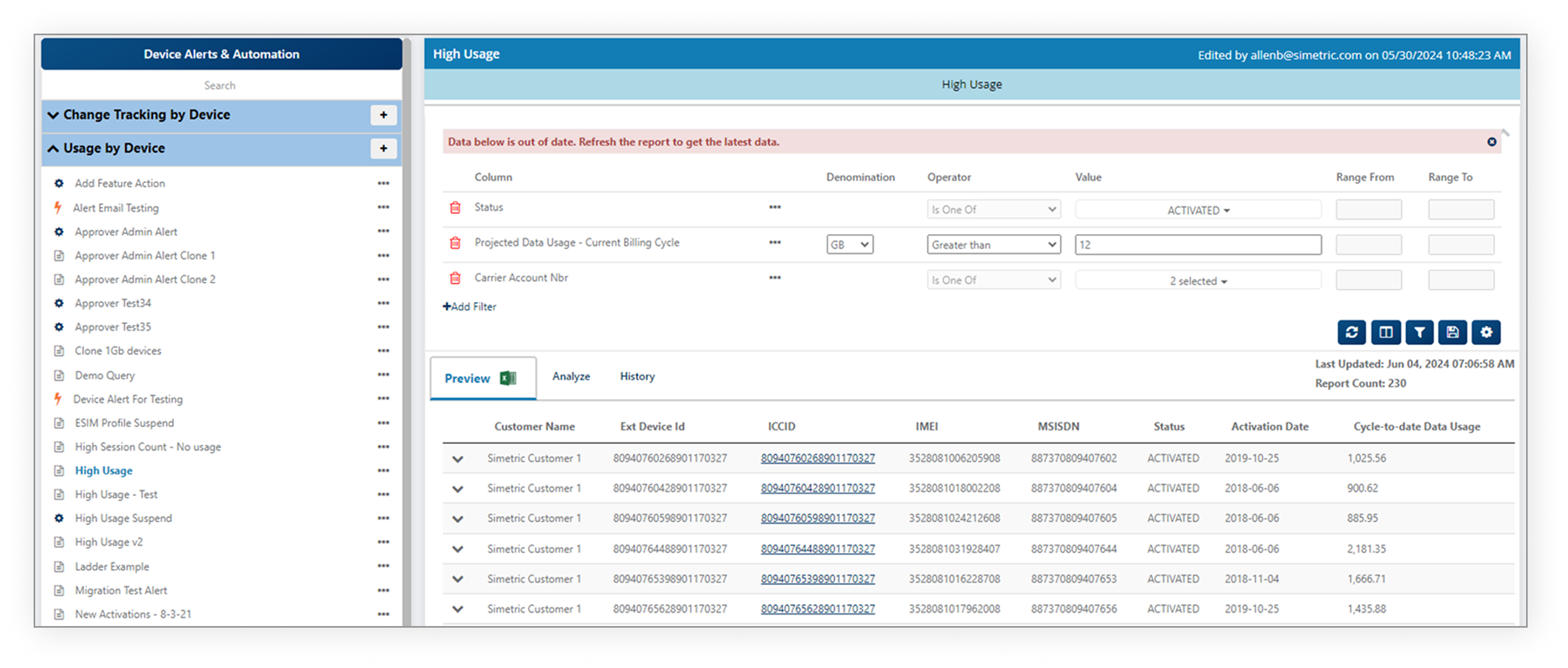
Operational teams need more than real-time snapshots. They need longitudinal insight. Simetric provides ongoing visibility into eSIM usage, status, and performance across carriers and geographies. This allows enterprises to:
- Monitor active and inactive eSIM profiles
- Surface operational deviations or unexpected usage patterns
- Correlate connectivity behavior with operational outcomes
- Support finance teams with accurate reporting and reconciliation
By maintaining historical and current data in one system, enterprises gain confidence in their ability to manage connectivity proactively rather than reactively.
Reducing operations risk and errors in eSIM deployments
Many eSIM technology-related failures are not technical; they are procedural. Common risks include unmanaged profile sprawl, accidental deactivations, inconsistent activation methods, and loss of visibility when staff or vendors change.
These issues are amplified in environments that still mix eSIM with physical SIM card deployments or rely on ad hoc processes such as QR code distribution or manual activation codes.
Simetric reduces these risks by enforcing policy-driven lifecycle governance across all eSIM-enabled assets. Every subscription, status change, and policy decision is recorded, governed, and auditable within a single system.
Integrating eSIM management into enterprise operations
eSIM management does not exist in isolation. It intersects with IT asset management, security, finance, and operational workflows. Simetric supports this integration by acting as the authoritative enterprise IoT device management operational control plane for eSIM-enabled devices. It aligns connectivity data with enterprise processes, ensuring that:
- IT teams maintain control and visibility
- Finance teams understand ongoing costs and usage
- Operations teams can rely on consistent connectivity
- Security teams have traceability and oversight
This alignment is what allows enterprises to move from pilot deployments to sustainable, long-term operations.
eSIM Management Platform FAQs
What is the purpose of an eSIM management platform?
How do enterprises manage eSIM profiles across multiple carriers?
Is eSIM management only for mobile devices?
How does eSIM management reduce operational risk?
How does Simetric differ from carrier eSIM tools?
Simetric operates above carriers and eSIM providers, providing enterprise-wide governance, visibility, and control without selling connectivity or locking organizations into vendor-specific platforms.